


Beard transplants have become increasingly popular among men seeking fuller, thicker facial hair. Whether it’s filling in patchy areas, reshaping the beard line, or achieving a more defined style, modern techniques make it possible to create natural-looking results. However, like any surgical procedure, it is important to understand the potential risks, aftercare requirements, and recovery expectations before deciding to undergo treatment.
For those considering hair restoration in Melbourne or a beard transplant in Sydney, knowing what to expect can help you make an informed decision and ensure the best possible outcome.
Read More:
- Hair Extensions and Their Types
- What are virgin hair extensions and their benefits?
- How Much Do Hair Extensions Cost In Australia?
Understanding Beard Transplants
How Beard Transplants Work
A beard transplant is a surgical procedure that involves taking hair follicles—usually from the back or sides of the scalp—and transplanting them into the beard area. These transplanted follicles then grow naturally, blending seamlessly with existing facial hair.
The procedure is performed using one of two common techniques:
Follicular Unit Extraction (FUE)
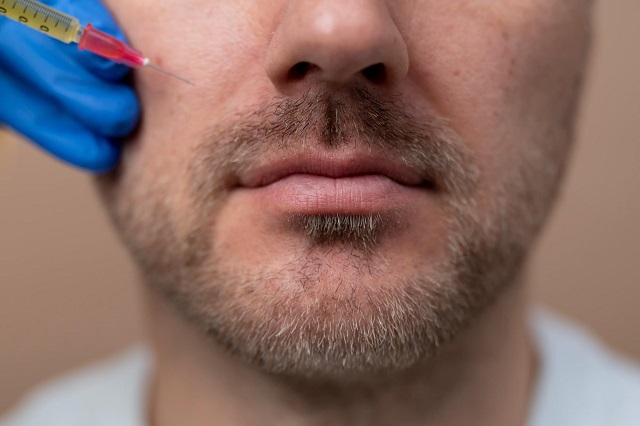
FUE is the most widely used method for beard transplants. Individual hair follicles are extracted from the donor area and carefully implanted into the beard region. This technique is less invasive, leaves minimal scarring, and typically allows for faster recovery.
Follicular Unit Transplantation (FUT)
FUT involves removing a strip of skin from the donor area and separating it into individual follicular units before transplantation. While effective, this method is less common for beard transplants due to the linear scar it may leave behind.
Potential Risks of Beard Transplants
While beard transplants are generally safe when performed by qualified specialists, there are potential risks and side effects to be aware of:
Infection
As with any surgical procedure, there is a slight risk of infection at the donor or transplant sites. Clinics specialising in beard transplant in Sydney and hair restoration in Melbourne typically follow strict hygiene protocols to minimise this risk. Following aftercare instructions carefully further reduces the chance of infection.
Swelling and Redness
Mild swelling and redness around the transplant area are common in the first few days following the procedure. These usually subside within a week and can be managed with cold compresses and prescribed medications.
Temporary Shedding
It is normal for some transplanted hairs to fall out within the first few weeks. This is part of the natural hair growth cycle, and new, permanent hairs will typically begin to grow after a few months.
Ingrown Hairs
Some patients may experience ingrown hairs as the new follicles start growing. Proper aftercare and gentle cleansing can help reduce this risk.
Scarring
Scarring is rare with FUE procedures but may occur if the donor area does not heal properly. Choosing an experienced surgeon significantly lowers this risk.
Uneven Growth
In some cases, results may appear patchy during the initial stages of growth. Over time, the transplanted hairs will thicken and blend naturally with the existing beard.
Preparing for a Beard Transplant
Initial Consultation
Before undergoing a beard transplant, an initial consultation with a qualified hair restoration specialist is essential. During this appointment, your doctor will:
- Assess your facial hair density and donor hair quality.
- Discuss your goals and expectations for the procedure.
- Explain the surgical technique most suitable for your needs.
- Review your medical history to ensure you are a good candidate.
Patients considering hair restoration in Melbourne or a beard transplant in Sydney should choose clinics with experienced surgeons and a strong track record of successful results.
Pre-Procedure Guidelines
To ensure the best possible outcome, patients may be advised to:
- Avoid smoking and alcohol in the days leading up to surgery.
- Stop taking certain medications that increase bleeding risk, if instructed by your doctor.
- Wash your face thoroughly before the procedure to reduce infection risk.
Aftercare for Beard Transplants
Proper aftercare is crucial to support healing and maximise results. Most clinics provide detailed instructions, but general guidelines include:
Immediate Post-Procedure Care
- Keep the area clean: Use mild cleansers as advised by your doctor.
- Avoid touching or scratching: The transplanted follicles are delicate and should not be disturbed.
- Apply cold compresses: This can reduce swelling and discomfort in the first 24–48 hours.
- Sleep with your head elevated: Using extra pillows can help minimise swelling overnight.
Managing Discomfort
Mild pain, swelling, or itching is normal after the procedure. Over-the-counter pain relief may be recommended, but avoid self-medicating without your surgeon’s advice.
Activity Restrictions
- Avoid strenuous exercise, swimming, and exposure to excessive heat or sunlight for at least one week.
- Refrain from shaving the beard area for at least 10–14 days to allow the transplanted follicles to settle.
Follow-Up Appointments
Your surgeon will likely schedule follow-up visits to monitor healing and assess early results. Attending these appointments ensures proper recovery and allows timely management of any complications.
Expected Timeline for Results
First Few Weeks
In the initial weeks after a beard transplant, scabbing, redness, and shedding are normal. This stage is temporary and part of the healing process.
Three to Six Months
New beard hairs usually start to grow within three to four months. These hairs may appear fine at first but will gradually thicken over time.
Six to Twelve Months
By six months, most patients notice significant improvement in beard density and coverage. Full results are typically visible within 9–12 months.
Choosing the Right Clinic

Selecting the right clinic is critical for ensuring safety and achieving natural results. If you’re considering hair restoration in Melbourne or a beard transplant in Sydney, here’s what to look for:
- Experienced specialists: Choose a surgeon with extensive training in facial hair transplantation.
- Proven track record: Look for before-and-after photos and patient testimonials.
- Advanced techniques: Opt for clinics that offer modern, minimally invasive FUE procedures.
- Comprehensive aftercare: Ensure the clinic provides ongoing support after surgery.
Conclusion
A beard transplant can be a life-changing solution for men wanting to improve their facial hair density and appearance. While generally safe, it is important to understand the potential risks and follow proper aftercare guidelines for the best possible results.
Whether you are considering hair restoration in Melbourne or planning a beard transplant in Sydney, choosing an experienced surgeon and following professional aftercare advice will help you achieve a natural, fuller, and well-shaped beard. With patience and the right approach, the final outcome can enhance both your appearance and confidence.

