

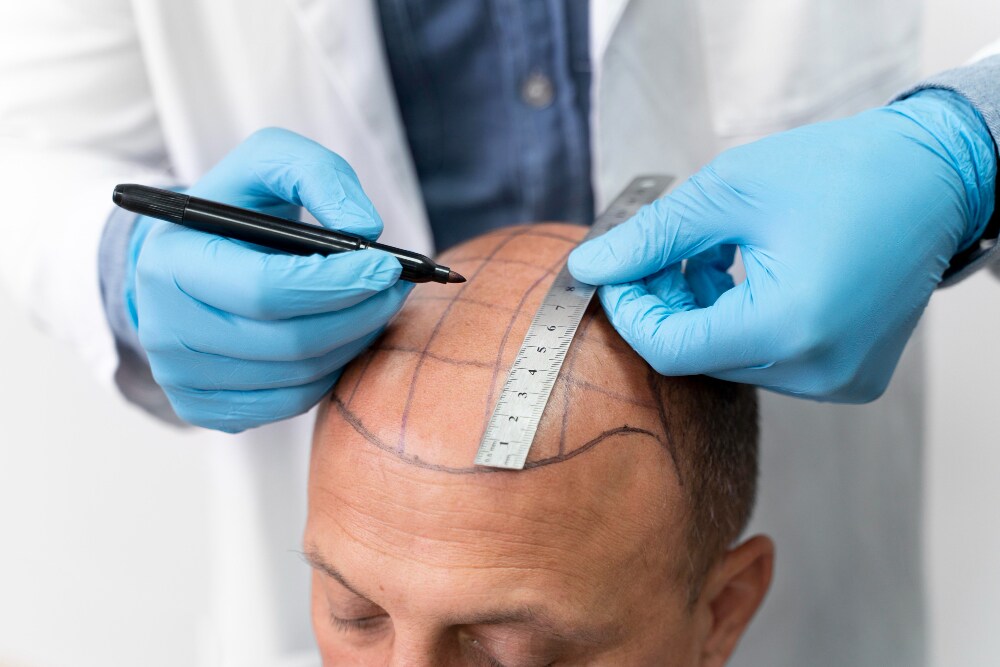
Hair loss affects many men worldwide, often impacting self-confidence and overall appearance. With advances in hair restoration techniques, patients now have access to reliable and minimally invasive solutions. Among these, the FUE hair transplant in Melbourne is a highly regarded option for men seeking natural-looking results. Follicular Unit Extraction (FUE) has become one of the most popular methods because it prioritises safety, precision, and long-term effectiveness.
This article explains how surgeons perform FUE hair transplants safely, the steps involved, and what patients considering a hair transplant for men should know before making a decision.
Read more:
- Tips for Managing Expectations with Men’s Hair Loss Treatments
- Tips for Men Seeking Reliable Hair Loss Treatment in Sydney
Understanding FUE Hair Transplants
What is FUE?
FUE, or Follicular Unit Extraction, is a technique where individual hair follicles are taken from a donor site—usually the back or sides of the scalp—and implanted into thinning or balding areas. Unlike older methods that involved removing a strip of skin, FUE leaves minimal scarring and offers a quicker recovery.
Why Men Choose FUE
Men experiencing male pattern baldness often prefer FUE because it provides natural hair growth without noticeable scarring. It is particularly suitable for patients who like shorter hairstyles, as the extraction marks are nearly invisible once healed.
Steps Surgeons Take to Ensure Safety
Comprehensive Consultation
Safety begins before the surgery itself. A qualified surgeon will first carry out a thorough consultation, discussing:
- The extent of hair loss
- Medical history
- Scalp condition
- Patient goals and expectations
This evaluation ensures that an FUE transplant is the right choice and helps the surgeon design a personalised treatment plan.
Careful Donor Area Selection
Surgeons choose donor areas where the hair is genetically resistant to balding. Extracting from these stable regions helps ensure that transplanted follicles continue to grow naturally over time.
Use of Advanced Technology
Modern clinics in Melbourne often use precision tools and devices for follicle extraction and implantation. These tools minimise trauma to the scalp, reduce healing time, and support higher graft survival rates.
The FUE Procedure Explained
Step 1: Preparing the Scalp
On the day of surgery, the patient’s scalp is cleaned, and local anaesthesia is administered to numb the donor and recipient areas. This ensures the procedure is virtually pain-free.
Step 2: Follicle Extraction
The surgeon uses a specialised punch tool, usually less than 1mm in diameter, to extract hair follicles one by one. This precise approach reduces scarring and preserves the health of surrounding tissue.
Step 3: Graft Preservation
Extracted follicles are carefully stored in a solution that keeps them viable until implantation. Proper handling at this stage is critical for ensuring the success of the transplant.
Step 4: Creating the Recipient Sites
Tiny incisions are made in the thinning or balding areas where follicles will be implanted. The placement follows the natural angle and direction of the patient’s existing hair, which is key to achieving a natural appearance.
Step 5: Implanting Follicles
Each follicle is implanted into the prepared sites. Depending on the number of grafts, this process can take several hours. Surgeons often take breaks to ensure both patient comfort and precise placement.
Recovery and Aftercare
Immediate Care
Following the procedure, patients receive detailed aftercare instructions. Mild swelling or redness is common, but these side effects usually subside within a few days.
Activity Restrictions
Patients are advised to avoid strenuous exercise, swimming, and excessive sun exposure for at least one to two weeks after surgery to protect the new grafts.
Long-Term Maintenance
Hair growth begins within three to four months, with full results visible after 9 to 12 months. Regular follow-ups with the clinic help monitor progress and address any concerns.
Why FUE is Considered Safe
Local Anaesthesia Only
Because FUE uses local anaesthesia instead of general anaesthesia, risks associated with surgery are significantly reduced. Patients remain awake but comfortable during the procedure.
Minimal Scarring
Unlike traditional strip surgery, FUE leaves only tiny dot-like marks that fade with time, reducing the risk of visible scarring.
Low Risk of Complications
When performed by experienced surgeons, the risk of infection, bleeding, or graft failure is very low. Adhering to aftercare instructions further ensures a smooth recovery.
Benefits for Men Seeking Hair Restoration
For men struggling with thinning hair or bald spots, FUE offers several advantages:
- Natural Results: The transplanted hair blends seamlessly with existing hair.
- Permanent Solution: Donor follicles are resistant to balding, ensuring long-lasting results.
- Boost in Confidence: A fuller head of hair can significantly improve self-esteem and social confidence.
- Versatility: FUE can be used not only on the scalp but also for beard and eyebrow restoration.
Men considering hair transplant for men treatments often find FUE the most effective and reliable option due to its proven safety and natural outcomes.
The Role of Melbourne Clinics in Hair Restoration
Melbourne has become a leading destination for advanced hair restoration. Clinics offering FUE hair transplant often combine the latest technology with highly skilled surgeons who prioritise patient safety. Many centres also provide complementary treatments such as PRP therapy or growth factor injections to further enhance results and support healing.
Final Thoughts
An FUE hair transplant is a safe, minimally invasive, and effective solution for men dealing with hair loss. By extracting individual follicles and implanting them with precision, surgeons achieve natural, long-lasting results that restore confidence.
For those considering a hair transplant for men, consulting an experienced clinic in Melbourne is the first step. With proper planning, skilled surgical care, and diligent aftercare, patients can enjoy the benefits of FUE with peace of mind, knowing that the procedure is both safe and reliable.

