

I live about an hour from Yame, one of the tea regions in southern Japan, and the first thing that struck me when I started visiting the farms there was how much of the crop never ends up in a teapot. Tea leaves get ground into salt, folded into noodle dough, whisked into custard, and stirred into rice. In Japan, green tea is not only a drink. It is an ingredient, and it behaves like one.
If your only experience of matcha is a sweet café latte, you are missing most of what it can do. Green tea brings bitterness, a deep savory note, and a grassy aroma that works as well in savory cooking as it does in desserts. Here is how to use it properly, and three recipes to start with.
Read more:
- All things to know about disposable cutlery
- What are the Benefits and Demerits of Bottled and Jarred Packaged Goods?
Know your teas before you cook with them
Not all green tea behaves the same way in a pan, and picking the wrong one is the usual reason a first attempt tastes like grass clippings.
Matcha is stone-ground whole leaf, so it dissolves into whatever you add it to and carries its color with it. It is the one to reach for in baking, ice cream, and anything where you want that vivid green.
Sencha is the everyday steamed leaf tea. Brewed strong it makes an excellent cooking liquid, and the used leaves are worth keeping, since they can be chopped and dressed as a side dish rather than thrown away.
Hojicha is roasted, which strips out most of the bitterness and leaves something warm, nutty, and almost caramel-like. It is the easiest green tea to cook with, and by far the most forgiving in desserts. If matcha has ever tasted too aggressive to you, start here.
Genmaicha blends leaves with roasted brown rice, giving a toasty, popcorn-like flavor that works beautifully as a broth.
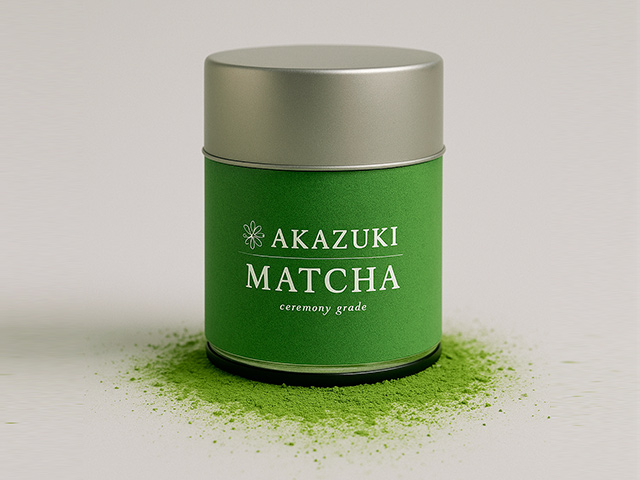
One buying note that saves a lot of frustration: matcha comes in ceremonial and culinary grades. Ceremonial grade is meant to be whisked and drunk on its own, and using it in a cake is a waste of money. Culinary grade is stronger and more bitter, which is exactly what you want when it has to stand up to sugar, butter, or cream. Freshness matters more than grade, though. Matcha oxidizes quickly and turns dull and yellowish within a few months of opening, so buy small tins and keep them sealed in the fridge. When I restock, I buy directly from a source that ships fresh from Japan and I go through a range of Japanese green tea rather than committing to one big bag of a single type, because hojicha and sencha earn their place in the kitchen just as much as matcha does.
The one rule that fixes most failures
Heat is what ruins green tea, in the cup and in the pot. Boiling water scorches the leaf and pulls out harsh tannins, which is why so many people think they dislike green tea when what they dislike is badly brewed green tea.
Sencha wants water around 70 to 80 degrees Celsius, roughly a couple of minutes off the boil. Matcha whisked for drinking wants about 80. Hojicha is the exception and takes near-boiling water happily, since roasting has already done the work.
The same logic applies in cooking. Do not boil matcha hard into a sauce. Add it late, off the direct heat, and you keep both the color and the aroma.
Ochazuke: green tea over rice
This is the simplest use of tea as an ingredient, and it is what half of Japan eats at eleven at night when they cannot be bothered to cook.
Brew a strong cup of sencha or genmaicha, around 200ml. Put a bowl of warm cooked rice in front of you and top it with something salty: grilled salmon flaked into pieces, umeboshi plum, or a little seasoned seaweed. Pour the hot tea straight over the rice until it comes about halfway up the bowl. Finish with sesame seeds, shredded nori, and a few drops of soy sauce if it needs it.
It sounds thin, and it is not. The tea loosens the rice into something between a soup and a porridge, and the bitterness cuts the salt. Under five minutes, and it is genuinely comforting.
Matcha salt
Barely a recipe, and it will change how you serve fried food.
Mix one part culinary matcha with four parts fine sea salt. That is the whole thing. Store it in a small airtight jar away from light.
Use it as a dip for tempura instead of the usual dipping sauce, which is how it is often served in Japan. The bitterness balances the fried batter and keeps everything tasting light. It also works well on grilled chicken skewers, roasted potatoes, and edamame.
Hojicha shortbread
The recipe I make most, and the one that converts people who think they do not like tea in desserts.
You need 200g plain flour, 140g soft unsalted butter, 60g icing sugar, two tablespoons of hojicha leaves ground to a powder in a spice grinder, and a good pinch of salt.
Beat the butter and sugar together until pale, then work in the flour, ground hojicha, and salt until it comes together as a dough. Roll it into a log about five centimeters across, wrap it, and chill for at least an hour. Slice into rounds a little under a centimeter thick, space them on a lined tray, and bake at 160 degrees Celsius for 18 to 20 minutes, until the edges are just barely coloring. Cool them on the tray, since they firm up as they go.
The roasted tea reads as toasted and caramel-like against the butter rather than bitter, and the cookies keep well in a tin for a week.
Where to go next
Once these three work, the pattern becomes obvious. Anything creamy takes matcha well: panna cotta, ice cream, whipped cream for a sponge cake. Anything toasted takes hojicha: crumbles, custards, caramel. And strong brewed sencha can replace part of the liquid in a broth or a simmered dish when you want a clean, slightly bitter backbone.
Start with the salt if you want the fastest win. It takes thirty seconds, and the first time you eat tempura with it you will understand why the Japanese kitchen never treated tea as just a drink.

