

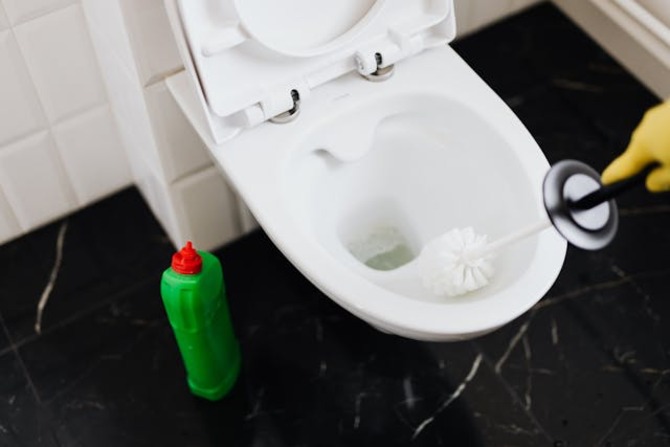
Blocked drains and overflowing toilets are more than an inconvenience. They disrupt your routine, create unpleasant odours, and can lead to water damage if ignored. Many homeowners try quick fixes first, only to find the problem keeps coming back. When plungers and store-bought solutions fail, it becomes clear that a deeper issue is hiding inside the pipes.
Understanding why blockages happen and how to deal with them properly can save time, money, and stress. The right approach depends on the severity of the problem and the condition of your plumbing system.
Read more:
Why Drains and Toilets Become Blocked
Most blockages do not happen overnight. They build slowly as debris collects inside pipes. In kitchen drains, grease, food scraps, and soap residue cling to the pipe walls. In bathrooms, hair, toilet paper, and hygiene products are common culprits.
Toilets are especially vulnerable because they are often used as waste bins. Flushing wipes, paper towels, or sanitary items can quickly create a solid obstruction. When this happens, water has nowhere to go and backs up into the bowl or even onto the floor.
Tree roots can also invade underground pipes, especially in older properties. Small cracks in the pipe allow roots to enter and expand, catching debris and restricting water flow. Over time, this creates a stubborn blockage that basic tools cannot remove.
Signs You Need Professional Help
A slow-draining sink or occasional gurgling sound may not seem urgent, but these are early warning signs. If you notice water pooling around floor drains, foul smells coming from pipes, or frequent toilet overflows, the problem is likely deeper in the system.
Many people search online for high-pressure water jetting in Brisbane when faced with recurring drainage issues. This method is often recommended for serious blockages because it does more than poke a hole through the obstruction. It thoroughly cleans the pipe walls, removing built-up grease, sludge, and debris.
When a toilet overflows repeatedly despite plunging, calling a blocked toilet plumber becomes the safest option. Attempting to force the blockage down can push it further into the system and make repairs more complicated.
What Is High-Pressure Water Jetting
High-pressure water jetting uses a specialised hose that blasts water at extremely high force through the pipes. The water stream is strong enough to cut through grease, break apart compacted waste, and even clear invasive roots in some cases.
Unlike traditional drain snakes, which only create a small opening in the blockage, water jetting cleans the full diameter of the pipe. This reduces the chance of the problem returning in the near future.
This method is especially effective for:
Grease Buildup
Grease hardens inside pipes and traps other debris. Water jetting breaks it apart and washes it away.
Tree Root Intrusion
Fine roots can be cut and flushed out, restoring proper flow. Severe root damage may still require pipe repair, but jetting can provide temporary relief.
Long-Standing Sludge
In older pipes, layers of residue can narrow the passage over time. A thorough cleaning restores capacity and improves drainage speed.
High-pressure cleaning is generally safe for most modern plumbing systems when handled by trained professionals. However, damaged or fragile pipes should be inspected first to avoid further harm.
Handling a Blocked Toilet the Right Way
A blocked toilet is one of the most urgent plumbing problems. Overflowing water poses hygiene risks and can damage flooring. The first step is to stop flushing immediately. Repeated flushing only adds more water to the bowl.
Using a proper flange plunger can often dislodge minor blockages. Ensure there is enough water in the bowl to cover the plunger head and create a tight seal before applying steady pressure.
If plunging fails after several attempts, the obstruction may be lodged further down the pipe. In this case, forcing a metal tool into the toilet without experience can scratch the porcelain or crack the pipe. This is when contacting a blocked toilet plumber is the safest choice.
Professionals use specialised equipment such as drain cameras and augers to locate and remove the obstruction without causing additional damage. In some cases, they may recommend further cleaning of the main sewer line to prevent future incidents.
Preventing Future Blockages
Prevention is always easier than repair. Simple habits can significantly reduce the risk of clogged drains and toilets.
Avoid pouring grease down the sink. Let it cool and dispose of it in the trash instead. Install drain strainers in showers and sinks to catch hair and debris. Only flush toilet paper and human waste down the toilet.
Regular maintenance also plays an important role. If your property has a history of blockages, scheduling periodic professional inspections can catch issues early. In areas with heavy tree growth, monitoring underground pipes is especially important.
For commercial properties such as restaurants, routine pipe cleaning using advanced methods can prevent costly shutdowns. Keeping the system clear ensures smooth operations and avoids emergency repairs.
Choosing the Right Solution for Your Home
Not every blockage requires advanced equipment. Minor clogs near the surface can often be resolved with simple tools. However, recurring problems usually point to a deeper issue within the drainage system.
Professional assessment helps determine whether the problem is isolated or part of a larger concern. Modern plumbing technology allows technicians to inspect pipes internally and recommend the most appropriate method for long-term results.
Acting early reduces the risk of structural damage, water contamination, and expensive restoration work. Waiting until the problem becomes severe often leads to higher repair costs and greater disruption.
Final Thoughts
Stubborn drain and toilet blockages rarely resolve on their own. While quick fixes may offer temporary relief, lasting results require proper diagnosis and the right tools. Understanding when to use simple methods and when to seek professional help can protect your plumbing system and your home.
If you experience repeated drainage issues, do not ignore the warning signs. Addressing the problem early keeps your pipes clear, your home safe, and your daily routine uninterrupted.

