

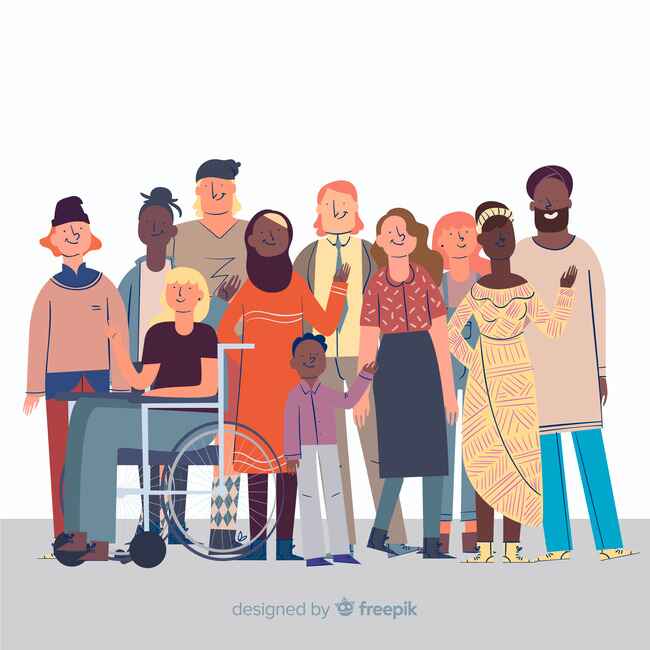
Social inclusion is more than just a concept; it is a cornerstone of a fulfilling life. For individuals with disabilities, mental health challenges, or age-related limitations, maintaining meaningful connections and participating fully in the community can often present significant challenges. This is where professional care services play a crucial role, helping people engage socially, build relationships, and live life on their own terms.
Facilitating Community Engagement
One of the key ways care services promote social inclusion is by encouraging participation in community activities. Many people with disabilities or limited mobility face barriers when it comes to joining local events, clubs, or social gatherings. Care services provide the necessary support, whether it is transportation, physical assistance, or guidance, allowing individuals to attend social activities confidently. This access not only fosters a sense of belonging but also strengthens community ties and promotes a more inclusive society.
Encouraging Personal Connections
Social isolation can have significant impacts on both mental and physical health. Care services help combat this by facilitating opportunities for people to connect with others. Whether through group activities, workshops, or casual social meetups, care providers encourage relationship-building in safe, supportive environments. For instance, care professionals may coordinate small group outings, hobby-based meetups, or even one-on-one support that allows individuals to explore shared interests and create meaningful friendships.
Supporting Everyday Independence
Independence is closely linked to social inclusion. When people feel capable of managing their daily lives, they are more likely to engage in social experiences. Care services assist with practical aspects of daily living, such as personal care, meal preparation, or transportation, enabling individuals to participate more freely in social activities. By providing this support, care services empower people to take control of their routines and choose how they engage with the world around them.
Read more:
- Is Your Mental Health in Danger? Top Signs to Watch Out For!
- The Transformative Power of NDIS Aged Care Quality Services
Tailored Programmes for Diverse Needs
Every individual has unique needs, and effective care services recognise this by offering tailored programmes that suit different abilities and interests. From structured social clubs to flexible, one-on-one support, these programmes ensure that everyone has the chance to participate in ways that are meaningful to them. For example, someone with mobility limitations may be supported to attend community gardening sessions, while another individual might join art classes or local social groups. This personalised approach ensures inclusivity is not one-size-fits-all but adapts to the individual.
Professional Expertise and Support Networks
A trusted service provider NDIS can make a substantial difference in social inclusion. These providers offer expert guidance, coordinating support plans that prioritise social engagement alongside practical care needs. By connecting individuals to the right resources, activities, and networks, they help people not only access services but also thrive within their communities. Families and carers also benefit from this professional support, knowing their loved ones are included in a safe, supportive environment.
Breaking Down Barriers
Care services play a pivotal role in breaking down social barriers that might otherwise prevent participation. This includes addressing physical barriers, providing emotional encouragement, and fostering environments where people feel valued and accepted. By reducing isolation, promoting confidence, and creating opportunities for interaction, care providers contribute to healthier, happier, and more socially connected lives.

